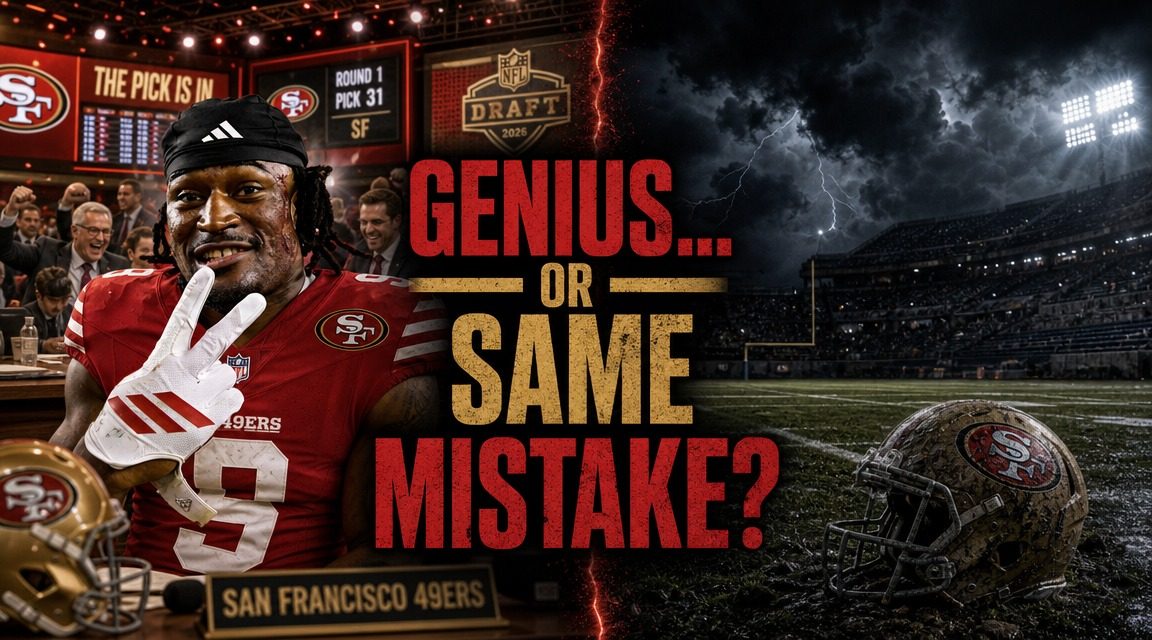
The Draft Decision That Divides the Faithful
If you thought the 49ers’ 2026 draft would calm the eternal debate about John Lynch’s front office moves, think again. Among the chorus of sighs and head shakes, one pick stands out as a lightning rod for criticism: third-round running back Kaelon Black. Despite his late-round projections, Lynch pulled the trigger earlier than expected, stirring up immediate backlash from fans and analysts alike.
Sure, the 49ers have taken swings in the third round before, but the track record isn’t exactly reassuring. Black’s selection feels like déjà vu from recent drafts where the team reached for running backs who failed to make a lasting impact.
Quick Recap: What Happened in the Draft Room
The 49ers used their third-round pick on Kaelon Black, a running back whose scouting reports mostly pegged him as a late-round prospect.
Fans and media quickly labeled the pick a reach, citing concerns about Black’s readiness and the crowded backfield ahead of him.
This continues a trend of third-round gambles on running backs that haven’t panned out for San Francisco.
The team could have addressed other roster needs, such as safety or depth at other positions.
Historical Context: The Third-Round Running Back Curse?
San Francisco’s third-round picks have been a mixed bag, to say the least. Fred Warner’s emergence as a star linebacker out of the third round in 2018 is the glaring exception. But when it comes to running backs, the Niners have not been so fortunate:
Trey Sermon (3rd round, 2021) didn’t flourish and was traded away after limited production.
Ty Davis-Price (3rd round, 2019) failed to carve out a significant role and quickly faded from the roster.
The 49ers’ pattern of swinging for home runs in Round 3 hasn’t yielded consistent returns, especially at running back. The gamble often results in bench warmers rather than difference-makers.
Roster Realities: Why Black May Struggle to Find a Role
The 49ers’ backfield situation is notoriously tight, with a preference for a smaller committee and a workhorse lead back. Last year’s fifth-round pick Jordan James barely saw the field outside of the playoffs. If the team doesn’t rotate running backs extensively, Black could be stuck behind more established options like Christian McCaffrey and rookie or veteran depth pieces.
That raises the question: what’s the point of spending a premium third-round pick on someone who might not get meaningful snaps for years? The opportunity cost is significant. The Niners could have bolstered other weak spots — safety, linebacker depth, or offensive line depth — with that pick.
The Locker Room and Cap Angle
From a locker room perspective, drafting a player who might not see the field can create subtle tensions. Players want to know the front office values them, and a reach pick that sits can breed frustration or low morale. Salary cap implications are also non-trivial. Third-round picks command more guaranteed money and roster investment than late-round flyers. That’s cap space and roster flexibility tied up in a player who may not contribute soon, if at all.
My Take: When Consistency Becomes Stubbornness
The 49ers are consistent — I’ll give them that. But consistency in making the same risky draft gambles that repeatedly don’t work out? That’s stubbornness. Lynch’s decision to draft Kaelon Black in the third round feels like a bet on hope rather than a calculated move based on roster needs or scheme fit.
Fans’ frustration is understandable. The draft isn’t just a guessing game — it’s a critical roster-building exercise in a league where every pick matters. When you see multiple third-round running backs come and go without impact, you have to question the scouting and evaluation process.
The 49ers operate under Kyle Shanahan’s offense, which demands versatile backs who can catch, block, and run with vision. Does Black fit that mold? Early indications aren’t promising enough to justify the investment. If he remains a non-factor, Lynch’s buyer’s remorse will be well-earned.
What Comes Next for Kaelon Black and the 49ers
Black will likely start as a depth piece, fighting for snaps behind established backs. Expect limited playing time in 2026 unless injuries force his hand.
The coaching staff will need to maximize his development, but Shanahan’s offense isn’t known for giving rookies long leashes.
The 49ers might revisit their draft strategy in upcoming years, especially if more third-round picks fail to progress.
Other players drafted later could outperform Black, intensifying the perception of a missed opportunity.
Wrapping Up: Fans Should Watch the Third-Round Trend Closely
The 49ers’ 2026 draft, and specifically the Kaelon Black pick, is a reminder that even smart franchises can get caught in cycles of draft miscalculations. When your third-round gambles don’t pay off, it limits your ability to build a deep, balanced roster — a must-have for a team with Super Bowl aspirations.
John Lynch’s legacy as a general manager will increasingly hinge on whether he can break the pattern of questionable mid-round picks and make smarter, more targeted decisions. Because in the NFL, patience only goes so far when your draft capital is on the line.
Your Turn
What’s your take on Kaelon Black and the 49ers’ draft approach? Are third-round swings worth the risk, or has Lynch pushed his luck too far? Drop your thoughts below and let’s debate the future of this franchise’s roster construction.
[NEEDS VERIFICATION: Specific snap counts and cap details for Kaelon Black and other 2026 rookies.]